In-Depth Analysis of the Sand 3D Printing Market to 2026: Why Digital Casting Transformation is a Must? This article analyzes the technology drivers, industry applications and market landscape, providing key insights for your process upgrading decisions.
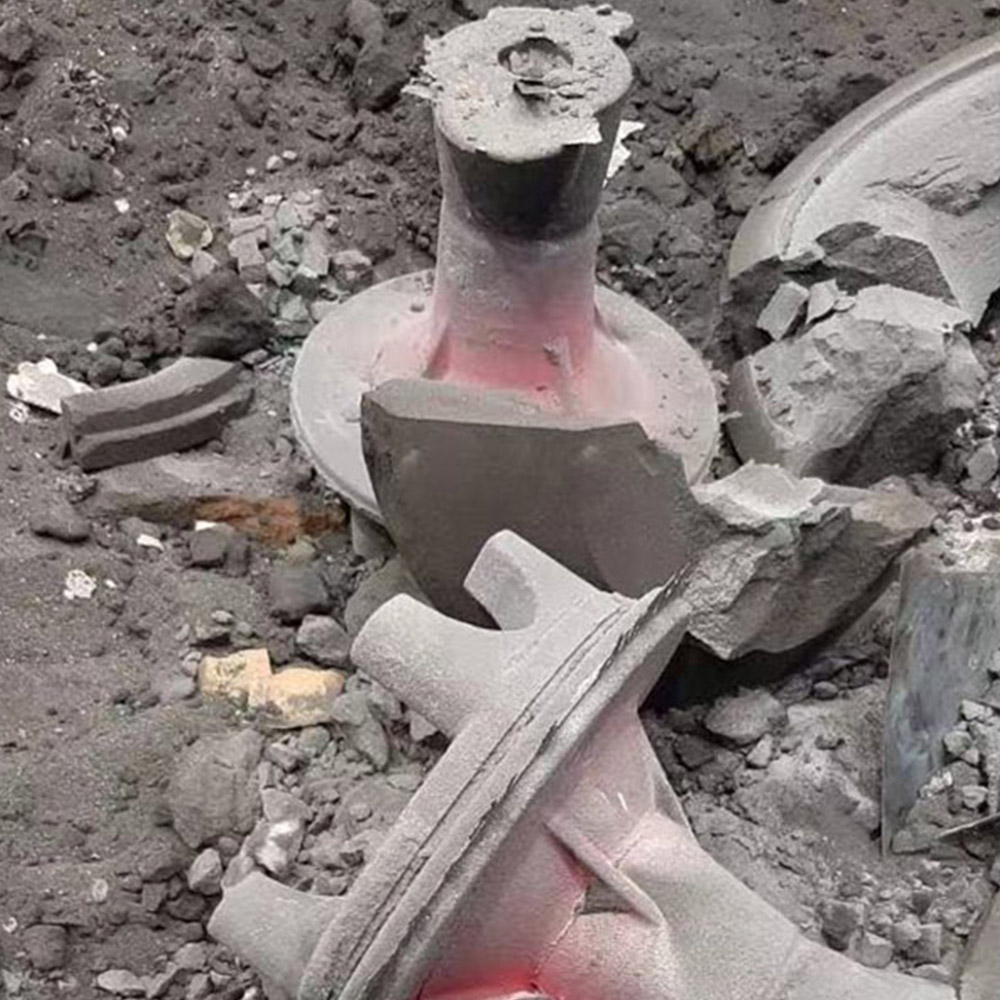
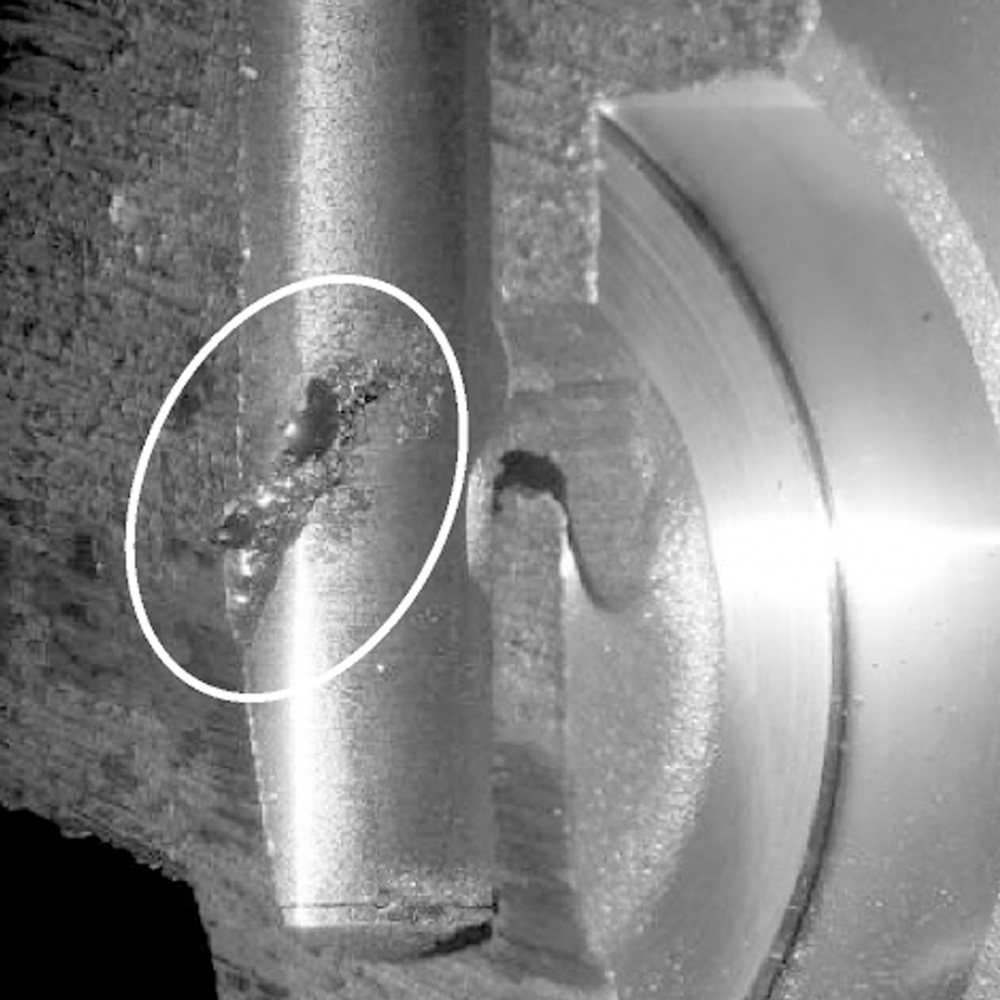
Castings scrap rate remains high? In this paper, an in-depth analysis of industrial 3D printing through the moldless, one-piece molding and digital simulation, from the source to eliminate porosity, shrinkage and other defects, and comprehensively improve the casting quality and production efficiency.
Is casting shrinkage your problem? This article provides an in-depth analysis of how industrial 3D printing can solve the casting shrinkage problem from the root by optimizing the internal structure and shape-following cooling by virtue of the freedom of mold-free design, and achieve a comprehensive improvement in cost, time and quality.
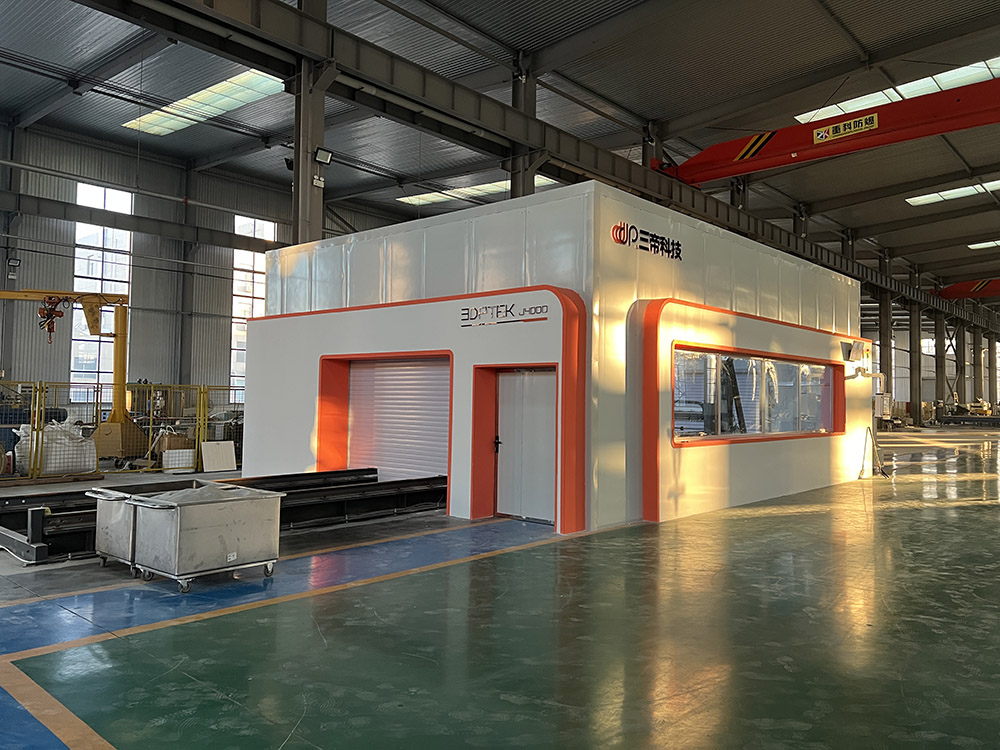
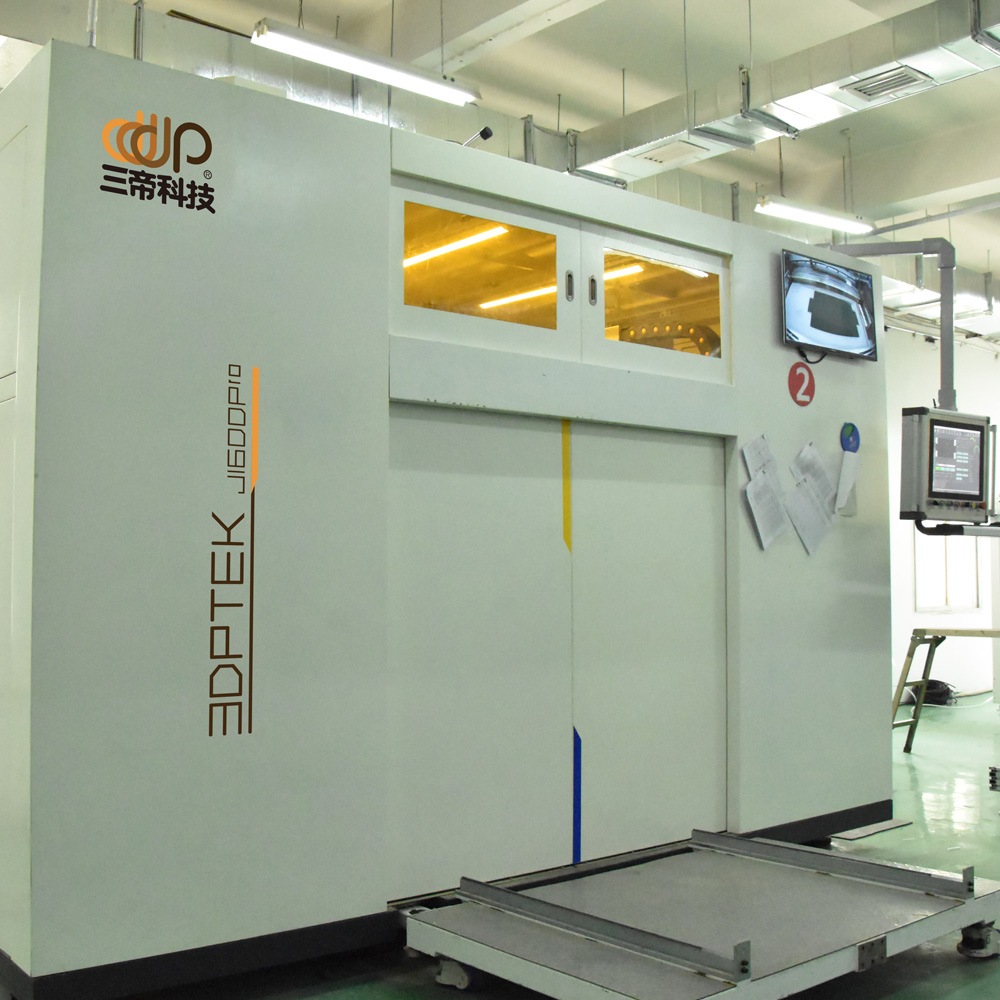
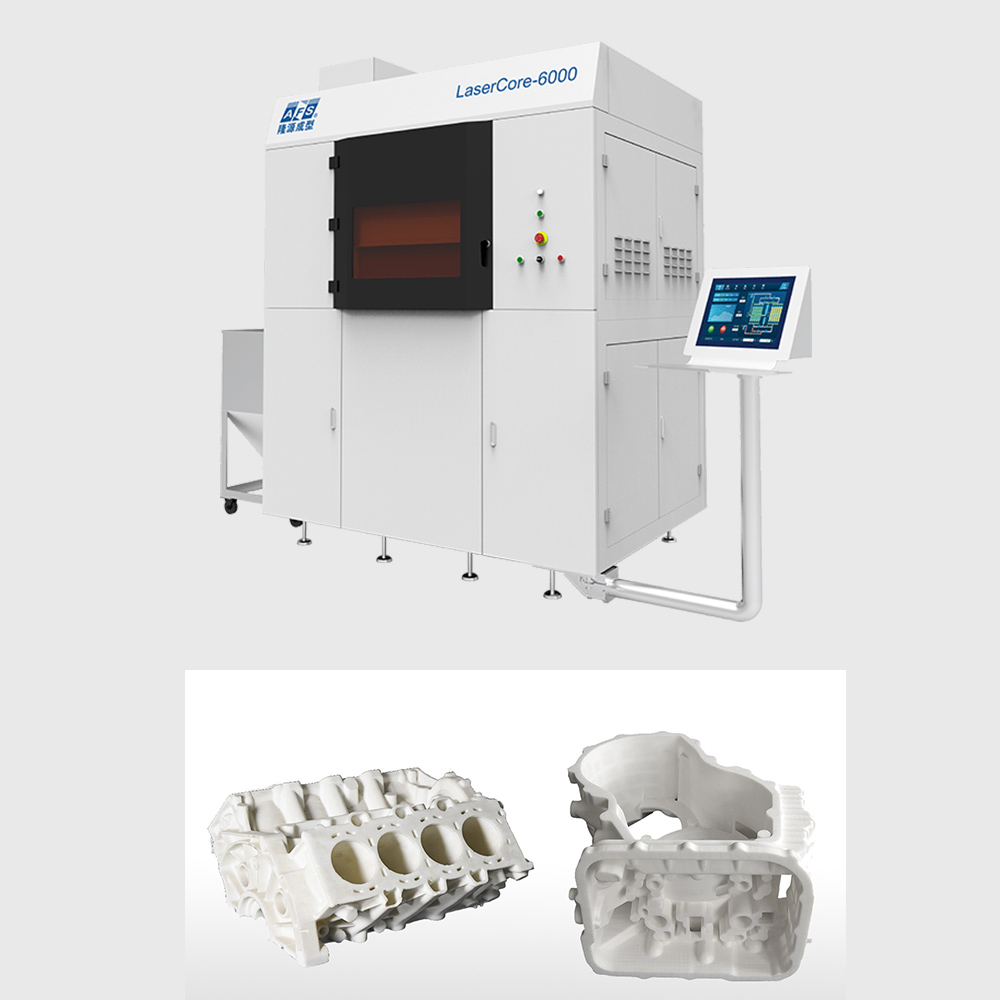
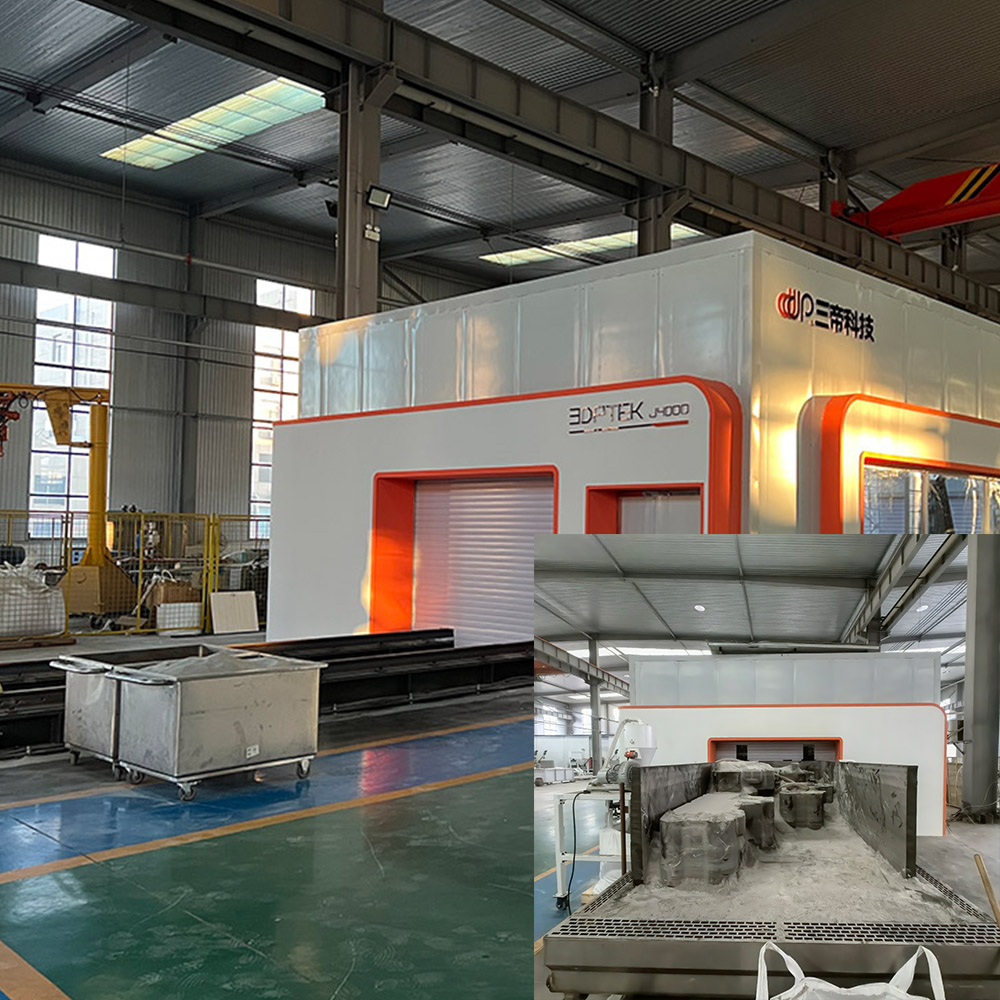
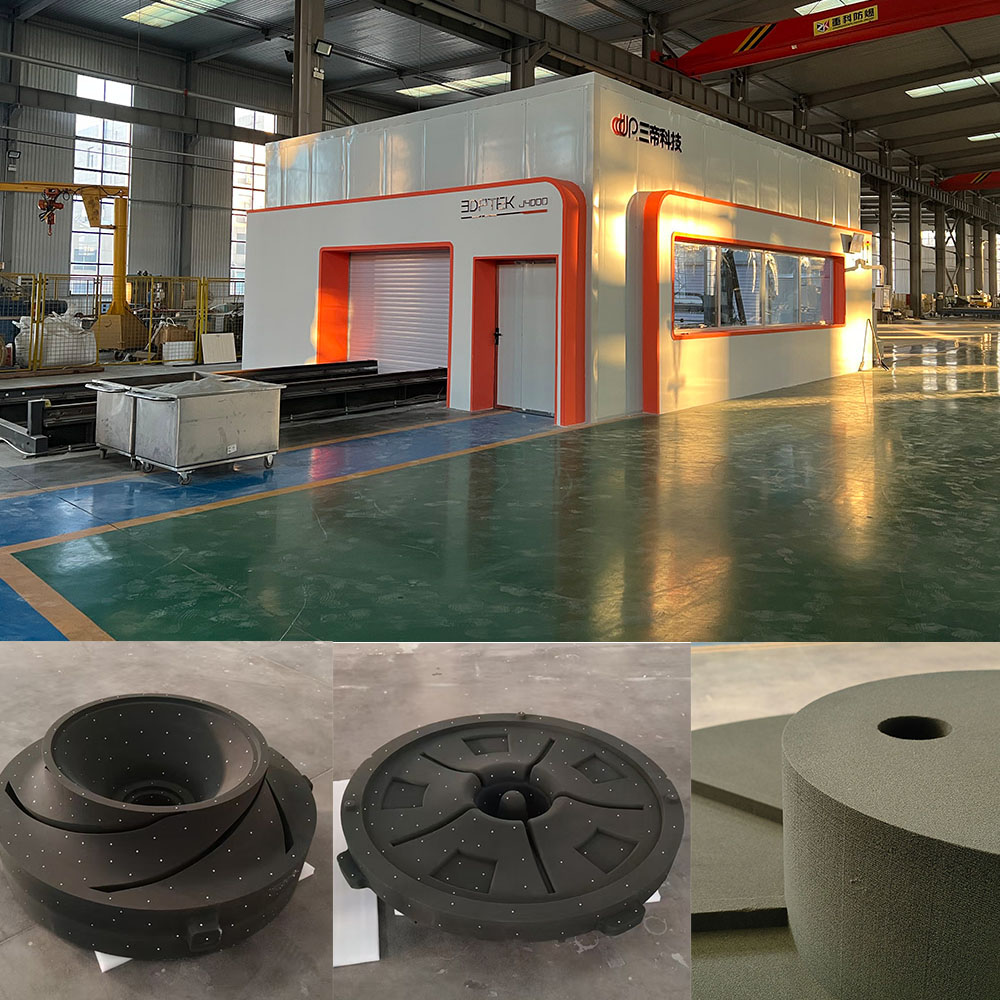
2025 How to choose a sand 3D printer? 3DPTEK full-size models (J1600/J2500/J4000) + open-source material process, help foundry enterprises to accurately select the model, reduce costs 30%+, improve the casting accuracy to ±0.3mm.
In the field of large-scale casting (aerospace turbine blades, automotive engine components, heavy machinery shells), traditional wax mold making has long been subject to "long cycle time, low precision, complex junction [...]
In the field of large casting manufacturing (e.g., engine blocks, industrial machinery shells, aerospace components), the traditional sand molding process has long been subject to "size limitation, long cycle time, high cost [...]
How Sand 3D Printing Technology Reinvented Metal Casting? 2025 Analyzing its core advantages of shortening 80% sand cycle time and reducing cost by 40%, breaking through the limitations of complex structures, with 3DPTEK equipment parameters and case studies from automotive/aerospace industry to help foundries transform.
Learn about the principles, advantages, materials and applications of industrial-grade SLS 3D printers! In 2025, we will analyze how it breaks through the traditional process, realizes the precision manufacturing of complex parts, shortens the cycle time of 70%, and reduces the cost of 40%, and adapts the 3DPTEK equipment to aerospace/automotive/medical/casting scenarios.




 English
  Chinese
  Russian
  Turkish
  Japanese
  Korean
  Arabic
  Italian
  Spanish
  French
  German
  Thai
Thai  Vietnamese